
Blog
3 Ways to Take Better Care of Your Skin for National Skin Care Awareness Month
November is National Skin Care Awareness Month so it’s time to think about your skin! It is actually the largest organ of your body, so it’s worth giving a little thought. There are a lot of things in this world that can be hard on your skin, but there are also some things you can do to help take care of your skin and keep it as healthy as possible so it can take care of you in return. In honor of National Skin Care Awareness Month, we thought we would share 3 good things you can do to help you take better care of your skin in this week’s blog.
1) Good Products are Essential
When it comes to having healthy skin, developing a skin care routine early in life is ideal. That includes using sunscreen regularly. It also is important to have a good moisturizer for your body and for your face. It helps if you pat dry after washing instead of rubbing dry, and if you leave a little moisture on your skin, the moisturizer you add will actually absorb better. It is also important to match the skin care products that you use to your skin type. If you’re not sure, ask your dermatologist or skin care professional. It’s also highly beneficial to feed your skin antioxidants like vitamin C or vitamin E. You can find some great serums with one or both of these ingredients.

2) Good Habits Make a Difference
There are also some simple choices you can make that will help keep your skin healthier in the long run. One of those is to avoid products with fragrances. Fragrances can be bad for the skin and even have ingredients that dry it out. In the same sense, you’re better off using an anti-perspirant rather than a deodorant. Last, but not least, it’s a good habit to check your skin over on a regular basis to look for any types of changes. If you have spots that have irregular edges, are asymmetrical, are raised, or changing/growing quickly, it is best to talk to your doctor just in case.

3) Good Lifestyle Helps
This world can make it very challenging to take care of ourselves and have the healthy lifestyle that we want. But it’s always good to remember that these things make a difference in how we feel, how we look, and how healthy our skin is, too. So, the more you can make it a point to drink plenty of water every day, get a full night’s sleep, and avoid smoking, the more your skin will love you for it. Learning to de-stress, is another huge thing you can do for your skin care regimen. We all know people who break out when they get highly stressed, and we know that stress can affect many other parts of the body. So, learning healthier ways to manage stress, will also be beneficial for your skin health.

The best thing is most of these skin care tips will great for your overall health as well. Who doesn’t want to look better and feel better all the same time? If you have any questions about your skin health, or healthcare questions of any kind, feel free to reach out to one of our caring healthcare professionals at Lake of the Ozarks. If you are looking for a family doctor in mid-Missouri or primary care physician in the Lake of the Ozarks area, we have four different clinic locations for your convenience. We also have dental clinics and mobile units for both healthcare and dental care. It is our mission to provide high-quality healthcare to the communities we serve regardless of a patient’s insurance status. Reach out to us for all your health, mental, and dental care needs, our compassionate team of healthcare professionals are here to serve you. If you’d like to stay in touch and hear more from our health care clinics in mid-Missouri, be sure to follow us on social media. We have our links below so you can pick your favorite platform.
Follow along with our blogs to get more health and lifestyle pointers to keep you out of our office more than once a year!
Central Ozarks Medical Center
Keeping Lack of Insurance From Being a Roadblock to Quality Healthcare
Like us on FacebookFollow us on TwitterConnect with us on LinkedIn
Knowledge is Power – Diabetes Awareness Part 2
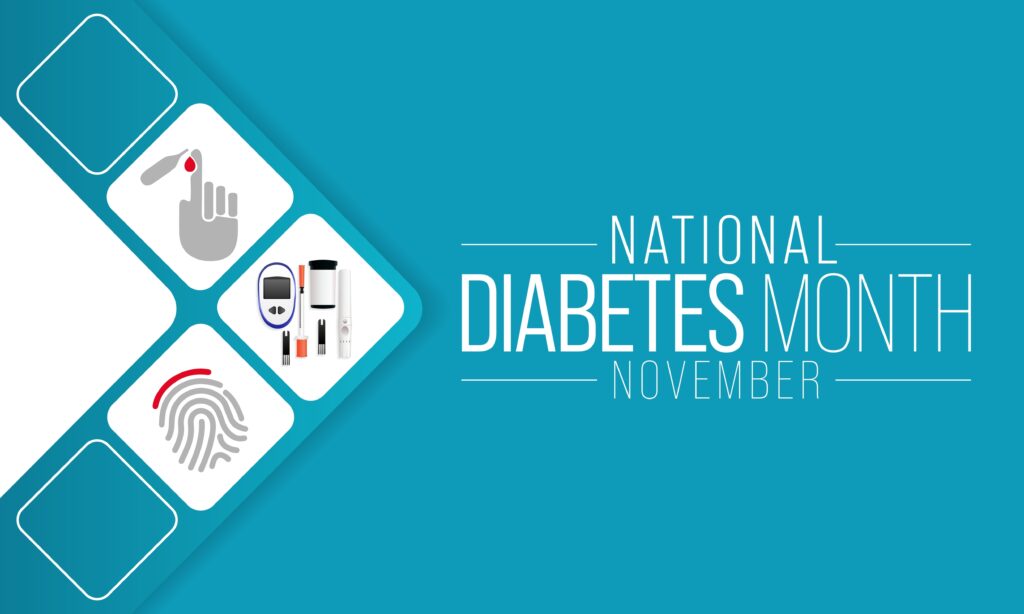
November is National Diabetes Awareness month and at Central Ozarks Medical Center, we are going to continue this week with part two of our blog about diabetes awareness. As we discussed in part one, diabetes affects over 34 million people in the United States and more than 7 million of those people are undiagnosed and untreated. That is why awareness of this all too prevalent disease is so important. So, if you would like to understand how to recognize the warning signs of diabetes, ways to prevent it and ways to treat it, keep reading to learn more.
Warning Signs
According to the American Heart Association, people with Type 1 or Type 2 diabetes may not have symptoms, or they are so mild that people don’t actually notice for a while. But others do experience some warning signs that are worth being aware of:
Type 1 Diabetes Type 2 Diabetes
Increased or extreme thirst Increased thirst
Increased appetite Increased appetite
Increased fatigue Fatigue
Increased or frequent urination Increased urination, especially at night
Unusual weight loss Weight loss
Blurred vision Blurred vision
Fruity odor or breath Sores that do not heal
If you notice symptoms like these make an appointment with your doctor at one of our health clinics in mid-Missouri to see what is going on.

Preventing Type 2 Diabetes
95% of people who have diabetes have Type 2 diabetes, and most of the rest have Type 1 diabetes. While it is still unknown how to prevent Type 1 diabetes (which usually develops in childhood or as a teen or young adult), there are steps you can take to try to prevent Type 2 diabetes. Being active and maintaining a healthy weight is one of the things you have the most power to influence when trying to prevent diabetes. If you are overweight, get help to develop a healthier lifestyle to lose weight. Try to make a commitment to getting physical activity for about 30 minutes on most days. Also, see your doctor in Central Missouri to develop a health care plan to make sure you are doing everything you can prevent Type 2 diabetes.
Treating or Managing Diabetes
One of the first things you will want to focus on after being diagnosed of type two diabetes is to stop smoking if you smoke. You will also want to work closely with your healthcare professionals to develop a plan for managing your blood glucose and monitoring your cholesterol and blood pressure. In addition, treating or managing your type two diabetes will involve the same things we discussed doing to try to prevent type two diabetes like exercising and maintaining a healthy weight.

You Have a Team on Your Side
When it comes to managing diabetes of any kind, it really does take a team. It can be an overwhelming feeling when you realize you have diabetes, and the earlier you notice a problem, the more ability you have to do something about it. So, as healthcare providers in the Lake of the Ozarks area, we just wanted to share a little information to empower you and give you some awareness to potentially help you or a loved one recognize and treat diabetes as early as possible. If you observe any of the symptoms we described, we want you to feel comfortable making an appointment at one of our health clinics in Central Missouri to look into it. If you would like to hear more helpful information and tips on health care in mid-Missouri, please follow us on social media. We have links below for your convenience.
Follow along with our blogs to get more health and lifestyle pointers to keep you out of our office more than once a year!
Central Ozarks Medical Center
Keeping Lack of Insurance From Being a Roadblock to Quality Healthcare
Like us on FacebookFollow us on TwitterConnect with us on LinkedIn
Knowledge is Power During National Diabetes Awareness Month
According to the American Diabetes Association (ADA), more than one in five Americans who have diabetes don’t even know they have it. That means that out of a total 34.2 million, 7.3 million people are undiagnosed and untreated and unaware of the multitude of other health issues they will be at risk for if they don’t treat their diabetes. November is National Diabetes Awareness Month and as medical providers in Central Missouri we want to encourage everyone to know a little bit more about diabetes, and to be empowered to do everything you can to prevent it or treat if you already have it. Diabetes does not just affect your body’s ability to process sugar, it can lead to other significant medical conditions such as heart disease, poor circulation leading to amputation, blindness, and more. It’s a serious health condition, but there is treatment. So, in today’s blog we’re going to talk about how many people are affected, and what the risk factors are. In next week’s blog we will continue with the symptoms to be aware of, and some things you can do to treat or prevent diabetes. To be empowered with greater knowledge about this common health condition, we invite you to keep reading this blog.
How Many People Have Diabetes? (Source: CDC National Diabetes Statistics Report, 2022)
From 2001 to 2020, diabetes prevalence significantly increased among US adults 18 or older.
37.3 million people have diabetes—that’s 11.3% of the US population.
28.7 million people have been diagnosed with diabetes.
8.5 million people who have diabetes have not been diagnosed and do not know they have it.
Total Prediabetes
96 million US adults have prediabetes.
26.4 million adults 65 or older have prediabetes.
What is Diabetes?
First, you want to differentiate between type one diabetes and type two diabetes. Type one diabetes is when a person’s body does not produce insulin properly. It is commonly known as juvenile diabetes because it happens at an earlier onset. Type two diabetes is when a person’s body is not able to properly use its insulin to regulate blood sugar. 95% of diabetes cases are type two. According to the CDC, “prediabetes is a serious health condition where blood sugar levels are higher than normal, but not high enough yet to be diagnosed as type 2 diabetes. Approximately 96 million American adults—more than 1 in 3—have prediabetes. Of those with prediabetes, more than 80% don’t know they have it.”
What Are the Risk Factors for Diabetes? (Source: CDC)
Type 1 Diabetes
Family history: Having a parent, brother, or sister with type 1 diabetes.
Age: You can get type 1 diabetes at any age, but it usually develops in children, teens, or young adults.
In the United States, White people are more likely to develop type 1 diabetes than African American and Hispanic or Latino people.
Currently, no one knows how to prevent type 1 diabetes.
Type 2 Diabetes
You’re at risk for type 2 diabetes if you:
Have prediabetes.
Are overweight.
Are 45 years or older.
Have a parent, brother, or sister with type 2 diabetes.
Are physically active less than 3 times a week.
Have ever had gestational diabetes (diabetes during pregnancy) or given birth to a baby who weighed over 9 pounds.
Are an African American, Hispanic or Latino, American Indian, or Alaska Native person. Some Pacific Islanders and Asian American people are also at higher risk.
If you have non-alcoholic fatty liver disease you may also be at risk for type 2 diabetes.

Learn More and Do More!
The fact that so many people have diabetes and don’t know it means that many of them could suffer additional health complications that might be prevented had they been diagnosed early. Symptoms for each type of diabetes can be different. Both are treatable, and while it may be unknown what can be done to prevent type one diabetes, there are some things that can be done to prevent type two diabetes. If you are interested in learning more about your personal risk for type 2 diabetes, you can go take an online risk test by the NIH to get a better idea. Then we encourage you to check back with us next week to learn how to recognize the symptoms of type one and type two diabetes, and to get some information and resources on how to prevent or manage diabetes. Be sure to use the links below to follow us on your favorite social media platforms, as well, to stay up-to-date on regular health tips and information from our medical clinics in mid-Missouri.
Follow along with our blogs to get more health and lifestyle pointers to keep you out of our office more than once a year!
Central Ozarks Medical Center
Keeping Lack of Insurance From Being a Roadblock to Quality Healthcare
Like us on FacebookFollow us on TwitterConnect with us on LinkedIn
Celebrating National Family Caregiver’s Month at COMC
November is National Family Caregivers Month in the United States, and we want to take this opportunity to give a warm shout out to all the caregivers out there! Caregiving is a labor of love, and it is exhausting both physically and emotionally. You make a difference in peoples’ lives, and we want you to know that you matter. This month is to honor you and help bring you support and resources in your caregiving endeavor. It is very easy for caregivers to put themselves last and to think of everyone else first. But to be the best caregiver you can be, you have to take care of yourself as well. So, in today’s blog, we are going to share with you five tips to help you as a family caregiver. If you’d like to make your job just a little better and maybe a little easier, keep reading this blog to find out how.

1) Find a Tribe.
When you are a family caregiver, it is very important for you to seek support from other caregivers. Nobody understands exactly what you’re going through like another caregiver. They can help you be more prepared and capable in facing the challenges that you have, because they have been through them too and can offer insight on how to deal with them positively. Sometimes, it’s just good to be able to talk to someone who understands exactly how you’re feeling, and can empathize with how much it hurts, rather than telling you everything is going to be OK. The main thing is, you don’t have to do this alone. There are resources available and people out there that can help you on this difficult journey.
2) Don’t Neglect Yourself
One of the most common patterns among caregivers is taking care of everyone else first. While it totally makes sense that a caregiver would have that heart, it is actually backwards when it comes to reality. You’re not able to help anyone else unless you take care of yourself first. The better you take care of yourself, the better you will be able to help others. It is counterintuitive, but most caregivers know it’s the truth, it is just hard to practice. That means you will have to have a strong mindset to accomplish this goal, but if you do, it will help you be the best caregiver you can be. That means making sure you get enough sleep, taking naps, going for walks, exercising, taking respite breaks, eating right, etc. are all part of your “duties” as a caregiver.

3) Accept and Direct Help
People who are used to doing the caregiving tend to be the last ones to ask for help themselves. Even when someone offers help it is easy for a caregiver to not really accept that invitation for what it is. People want to help, but they don’t necessarily know how. So, when you notice people are trying to help, or asking how they can help, or telling you to let them know if there’s something they can do, don’t disregard it as superficial, and don’t feel like you just have to accept whatever help they give. If they want to help, let them know the best ways to do it if there are specific things you know you need help with. If you’re too overwhelmed to even know what will help, that’s OK. You can say that too. More than anything, allow yourself to be open and accepting of the help that people offer. You need and deserve help as much as the person you’re caring for. So, accept the help, direct the help, and take in the love that inspires people to offer it and recognize that they care.
4) Organize and Communicate
During this time, it is likely you will be dealing with more doctor visits, doctors reports, bills, tests, etc. than you ever have before. It may be an entirely new area to navigate and can be overwhelming for many. Being organized and focused on communication can really help in that situation. Learning how to communicate with doctors and nurses so you understand what is happening and what you need to do will make things much less stressful. Having an assertive mindset where you know it’s OK to ask questions is also good. Staying organized and keeping all of your medical information in one place and up to date will go a long way in reducing stress and frustration. It is important to make sure you have all the relevant legal documents in order as well. It also helps to keep a journal so that you can keep track of everything that is happening all in one place so it’s easy to refer to whenever you need it.

5) Mind Your Mindset
Mindset can make you or break you when you are in the position of being a caregiver for someone you love. Some of these overlap with the first four tips but knowing that you have to take care of yourself and understanding that you need and deserve help as much as the person you are helping is critical. Being self-aware and watching out for signs of depression and overwhelm, making sure that you are taking breaks, scheduling naps, and getting respite care, are all necessary elements of being a caregiver. Once again, this is where having a tribe of other caregivers can be very helpful in controlling your mindset and making sure you aren’t contributing to self-defeating thoughts or attitudes.
We are on Your Team at COMC!
At Central Ozarks Medical Center, the doctors and nurses at our health clinics in mid-Missouri understand what you are going through. We are here to help you and your loved one, and we never want you to feel like you are in this on your own. We are not only here to provide excellent medical care, but we also provide mental and behavioral health services in Central Missouri and we have the resources to help you on this journey. As we recognize family caregivers on a national level this month, we just want you to know we are thinking about you, we are here for you, and we appreciate the role you play in providing care for those in need in our communities. Thank you for what you do! Please keep in touch with us and consider following us on social media to hear more tips and helpful information regarding healthcare in the Lake of the Ozarks area on a regular basis.
Follow along with our blogs to get more health and lifestyle pointers to keep you out of our office more than once a year!
Central Ozarks Medical Center
Keeping Lack of Insurance From Being a Roadblock to Quality Healthcare
Like us on FacebookFollow us on TwitterConnect with us on LinkedIn
Breast Cancer Awareness Month
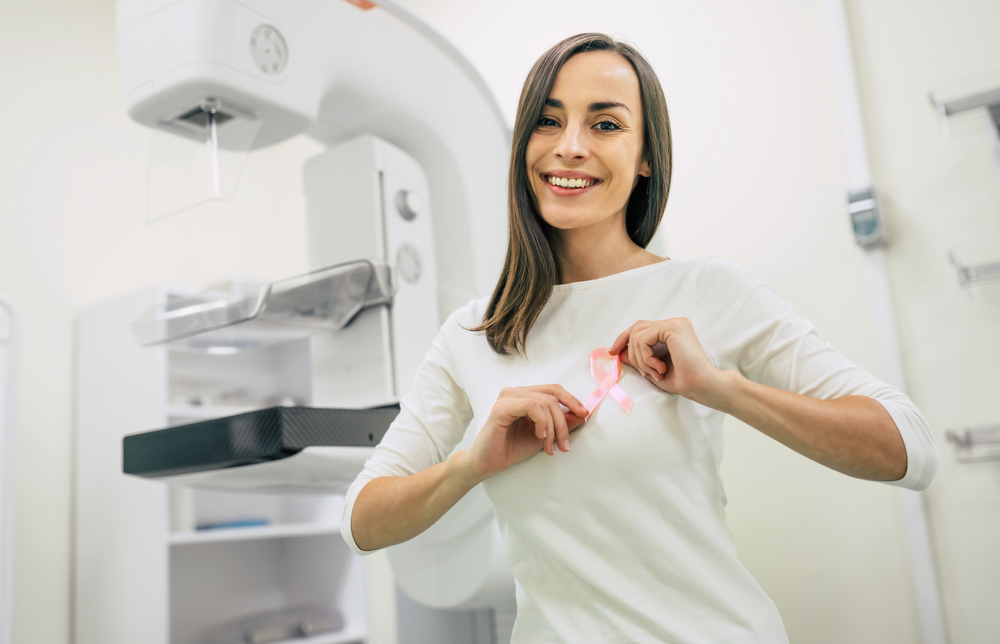
October is National Breast Cancer Awareness Month and as this very important month comes to a close we wanted to talk to you about breast cancer awareness and prevention. It is something that will affect all of us directly or indirectly, and the more knowledge we have the more we have a chance to do something about it. We know that preventative screenings and detecting cancer in the early stages can be lifesaving. If you’d like to hear a little more about breast cancer awareness and things you can do to look out for your own breast health, we have tips for you in this blog!
Early Detection is Key
The most important thing when it comes to breast health is to get your preventative screenings. Preventative screenings are one of the most powerful tools we have in the fight against cancer. The earlier cancer is detected the better the outcome usually is for the patients. When you can isolate cancer before it starts to affect other places in the body, treatment is much less severe, and the prognosis is significantly better. The most recommended screening for breast cancer is a mammogram. It is advised that you start having annual mammograms at age 45. Further screenings such as a sonogram may be recommended by your doctor if the mammogram shows something that needs further examination.
Unfortunately, women who don’t have insurance are less likely to have those mammograms done at the recommended frequency. But knowing the importance of these preventative screens, COMC is focused on making sure women have access to high quality health care regardless of insurance status. If you are over 45 and have not had a mammogram in the last year, give us a call and ask about making an appointment at one of our health clinics in mid-Missouri.

Family History
If you have a family history of breast cancer, that is something you want to discuss with your doctor. If you know you have higher risk factors when it comes to breast cancer, you and your doctor can develop a more specialized plan for monitoring for any signs of early cancer or pre-cancer to give you the best chances of early detection.
A Health Lifestyle Helps
The best overall health you can be in the better off you are. It is one of the factors you have the most control over, and it will help you in multiple ways. That means maintaining a healthy weight, exercising regularly, and using moderation when it comes to alcohol consumption. A healthy lifestyle is one of the best things you can do for yourself to be in the strongest position possible no matter what challenges or risk factors you may face.

Schedule Your Primary Care and Mammograms at COMC
Central Ozarks Medical Center is passionate about providing high quality medical care in the communities we serve regardless of our patients’ insurance status. We don’t want a lack of insurance to be a barrier to women who are in need of these important preventative screenings. We also want you to have a primary care physician in the Lake of the Ozarks area that you are comfortable with and see on a regular basis. You and your primary care physician can work together to manage your healthcare in a personalized way for your optimal health. So, if you do not have a primary care physician or are overdue for important preventative screenings, call our main number and make an appointment today. To hear more helpful information about health care in mid-Missouri or tips on how to stay healthy, use the links below to follow us on your favorite social media channel.
Follow along with our blogs to get more health and lifestyle pointers to keep you out of our office more than once a year!
Central Ozarks Medical Center
Keeping Lack of Insurance From Being a Roadblock to Quality Healthcare
Like us on FacebookFollow us on TwitterConnect with us on LinkedIn
5 Tips for Better Dental Hygiene from COMC
October is National Dental Hygiene Month and at Central Ozarks Medical Center, we are very excited about that! Our dental care providers in mid-Missouri know that with a few simple habits, you can do a lot to maintain or improve your dental health. Some of them are obvious, some of them you might not have realized. But either way, if you’re interested in having the best dental health you can have, keep reading this blog for five helpful tips.
1 – Proper Brushing
Take your time when brushing, it should take about two to three minutes total brushing time to clean your teeth. It takes that long to thoroughly cover all the surfaces of your teeth, not just the front, and for long enough to remove all the stuck-on debris. Try brushing in all directions. If you brush mostly up and down, try circular motions as well. Be sure that you are not brushing your teeth too hard. This is a very common mistake and can actually damage your teeth. Use a soft bristle brush and soft pressure while brushing for the best results.

2 – Using the Right Toothbrush
In the same way that brushing your teeth too hard can hurt your teeth, using a hard bristle brush can be bad for your teeth as well. In addition, your toothbrush should be changed about three every three or four months. If you are using a toothbrush it is older than that, it is probably not nearly as effective as you think it is. The size of your toothbrush also makes a difference. Sometimes, using a smaller brush can make it easier to reach all of your teeth – especially your back ones. So, change out those toothbrushes regularly and choose a side that allows you to reach all surfaces. It’s a worthy investment for your oral health.
3 – Flossing Daily
There is nothing that inspires an eye roll more quickly than reminding people to floss. But it is one of the most effective things to keep your teeth clean and healthy. It doesn’t cost much, it doesn’t take much time, and it is so important. If you don’t like the hassle of using string floss, try using flossing sticks to floss instead. Whatever it takes to make it a part of your daily habit, you will reap the benefits of improved dental health.
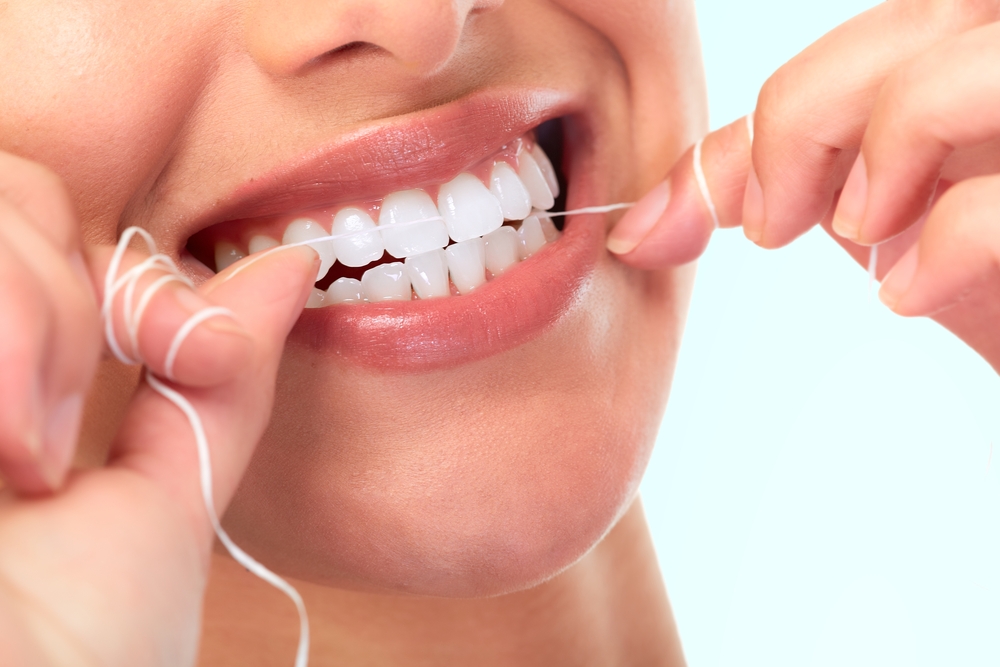
4 – Don’t Forget the Tongue and Gums
It is not just your teeth that need to be cleaned. Your tongue and gums can collect bacteria and will benefit from a gentle brushing each day. Even if it seems awkward at first, overtime you’ll get used to it, and again it has strong benefits for your oral health.
5 – Choose your timing
This one may be a surprise to you, but it is actually not the best time to brush your teeth right after a meal. It may seem quite natural to do so, and all of us want to get the food out of our teeth. But the enzymes and acids that are in your mouth from eating actually soften your tooth enamel. So, it is best to wait about 30 minutes after eating before you brush your teeth to avoid damaging to your enamel. Instead, swish some water around to get rid of the gunk after your meal, and then follow up with a full brushing in about 30 minutes.
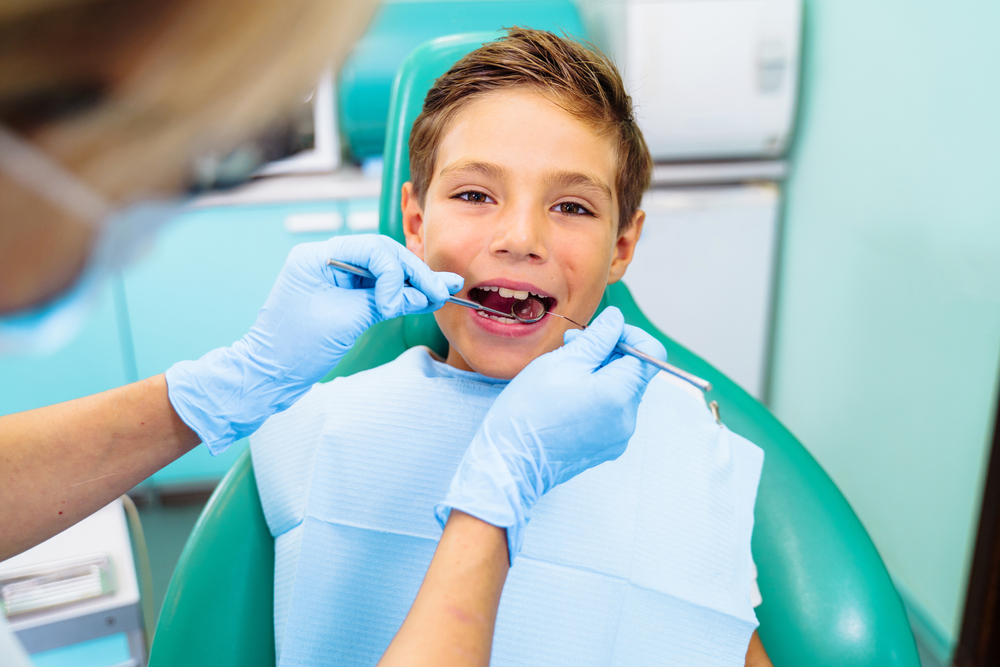
Schedule your regular dental checkups with our dental care providers in Central Missouri!
At COMC, we know that your dental health can affect your overall health as well. It is our mission to improve the quality of health of the citizens in the areas that we serve, and we believe in helping the whole person, not just their medical issues. So, in honor of Dental Hygiene Month, we wanted to share some helpful ideas to empower you to take charge of your dental health. We hope you find these tips helpful and we also encourage you to come in for regular dental checkups. If something does come up, it is better to address a problem earlier rather than later. Just give us a call to get on the schedule. We serve patients of all ages, and we are happy to help you. If you’d like to hear more helpful information about healthcare and mental and dental health care in the Lake of the Ozarks area, be sure to follow us on our social media channels using the links below.
Follow along with our blogs to get more health and lifestyle pointers to keep you out of our office more than once a year!
Central Ozarks Medical Center
Keeping Lack of Insurance From Being a Roadblock to Quality Healthcare
Like us on FacebookFollow us on TwitterConnect with us on LinkedIn
Domestic Violence Awareness Month – #Every1KnowsSome1 (part 2)
October is Domestic Violence Awareness Month and as a health care provider in mid Missouri, we consider that awareness of the utmost importance. We would like to continue with part two of our blog about domestic violence. It is something that occurs in every community, among people of all different backgrounds and socioeconomic conditions. It can easily be misunderstood or misinterpreted, so having more knowledge about what it looks like and how people can get help and make a big difference if you ever find yourself or someone you know in that situation. If you’d like to learn more of the warning signs, and help available here locally, keep reading this blog.

What does domestic violence look like?
According to the NCADV “Abuse may begin with behaviors that may easily be dismissed or downplayed such as name-calling, threats, possessiveness, or distrust. Abusers may apologize profusely for their actions or try to convince the person they are abusing that they do these things out of love or care. However, violence and control always intensifies over time with an abuser, despite the apologies. What may start out as something that was first believed to be harmless (e.g., wanting the victim to spend all their time only with them because they love them so much) escalates into extreme control and abuse (e.g., threatening to kill or hurt the victim or others if they speak to family, friends, etc.).
Some examples of abusive tendencies include but are not limited to:
-Telling the victim that they can never do anything right
-Showing jealousy of the victim’s family and friends and time spent away
-Accusing the victim of cheating
-Keeping or discouraging the victim from seeing friends or family members
-Embarrassing or shaming the victim with put-downs
-Controlling every penny spent in the household
-Taking the victim’s money or refusing to give them money for expenses
-Looking at or acting in ways that scare the person they are abusing
-Controlling who the victim sees, where they go, or what they do
-Dictating how the victim dresses, wears their hair, etc.
-Stalking the victim or monitoring their victim’s every move (in person or also via the internet and/or other devices such as GPS tracking or the victim’s phone)
-Preventing the victim from making their own decisions
-Telling the victim that they are a bad parent or threatening to hurt, kill, or take away their children
-Threatening to hurt or kill the victim’s friends, loved ones, or pets
-Intimidating the victim with guns, knives, or other weapons
-Pressuring the victim to have sex when they don’t want to or to do things sexually they are not comfortable with
-Forcing sex with others
-Refusing to use protection when having sex or sabotaging birth control
-Pressuring or forcing the victim to use drugs or alcohol
-Preventing the victim from working or attending school, harassing the victim at either, keeping their victim up all night so they perform badly at their job or in school
-Destroying the victim’s property”

Understanding victims
One of the hardest things about domestic is that the victim is often not believed or even blamed when they first let someone know what is happening. Victims may seem different than what we might assume. According to the CADV, trauma can affect a survivor’s:
Interactions
-Stress tolerance and ability to regulate emotions
-Responses to negative feedback
-Ability to screen out distractions
It could look like:
-A survivor seeming ‘cool’ and detached
-A survivor who is highly sensitive and whose feelings are easily hurt
-A survivor is suspicious and not trusting
-A survivor does not ‘read’ or trust warmth and caring from staff and other survivors
When someone is experiencing a trauma response, they may:
-Not be able to talk to you about what is happening
-Not notice what is happening
-Not know what will help or think that nothing will
-Need some time alone or be comforted by having you near
-Feel too upset or overwhelmed to interact with you
-Not want to say what she needs because she does not feel safe enough, she may want to protect you, or she may believe that she should not say

THERE ARE PEOPLE WHO CARE ABOUT YOU – HELP IS AVAILABLE NOW!
If you recognize that you are in a domestic violence situation it is important not to ignore it or explain it away. Domestic violence typically escalates over time and can become fatal. Reach out to someone you trust and tell them what is happening. You can call Citizens Against Domestic Violence/Victim Outreach Center Hotline at 1-888-809-SAFE (7233). CADV is a powerful resource for victims offering FREE and CONFIDENTIAL help for victims of domestic and sexual violence in the Lake of the Ozarks area. Thousands of victims and their children have received help through their outreach services and shelter over the years. They have a very warm and caring staff and a family friendly homelike environment. If you are in immediate danger, call the police. If you need medical attention, our caring nurses and doctors in the Lake of the Ozarks area are here to help you, and you can have an advocate here with you from CADV to help you through every step of your journey. To hear more information about this other health care services in mid-Missouri we have links below you can use to follow us on social media.
Follow along with our blogs to get more health and lifestyle pointers to keep you out of our office more than once a year!
Central Ozarks Medical Center
Keeping Lack of Insurance From Being a Roadblock to Quality Healthcare
Like us on FacebookFollow us on TwitterConnect with us on LinkedIn
#Every1KnowsSome1 – It’s Domestic Violence Awareness Month
According to the dictionary, domestic violence is considered to be “violent or aggressive behavior within the home, typically involving the violent abusive spouse or partner.” But in reality, domestic violence encompasses much more than that. According to the National Coalition Against Domestic Violence (NCADV), domestic violence is “the willful intimidation, physical assault, battery, sexual assault, and or other abusive behavior as a part of a systematic pattern of power and control perpetrated by one intimate partner against another it includes physical violence, sexual violence, psychological violence, and emotional abuse.

When you understand it from that definition, it looks very different than what many of us imagine. Abuse is not just physical abuse, it takes on many forms, some of which can be unseen or underestimated. October is domestic violence awareness month. As a medical center providing healthcare services in central Missouri as well as mental health services in mid-Missouri, we understand the physical and psychological effects domestic violence has on the victims and their families. So, in this week’s blog, we wanted to share some insight to help you recognize domestic violence, to help you understand it is in our community and that it knows no socio-economic or cultural boundaries, and also to empower you to know what to do or how to help someone you know who may be in that situation. To learn more about domestic violence and what can be done about it, keep reading this blog.
The statistics are beyond sad. According to Citizens Against Domestic Violence (http://www.cadv-voc.org/) …
1 in 4 women have suffered severe violence from an intimate partner.
1 in 7 men have suffered severe violence from an intimate partner.
Every day, 3 women are killed by an intimate partner.
55% of female homicides were related to domestic violence.
Every 98 seconds, an American is sexually assaulted.
1 in 3 women are survivors of sexual violence.
2 out of 3 sexual assaults go unreported to the police.
60% of survivors know the person who assaulted them.

Who are the victims?
While domestic violence may affect victims living in poverty at a higher rate because they have fewer options, domestic violence does not discriminate. It occurs among people of all different socioeconomic levels, in every culture, every age group, every educational level, and every religion. Domestic violence not only affects the direct victims but also the children in the family, even if they are never actually a witness to the violence. It is also important to keep in mind that though the majority of victims are women, men are victims of domestic violence as well and the effects are just as devastating.
What does domestic violence look like?
According to the NCADV “Abuse may begin with behaviors that may easily be dismissed or downplayed such as name-calling, threats, possessiveness, or distrust. Abusers may apologize profusely for their actions or try to convince the person they are abusing that they do these things out of love or care. However, the violence and control always intensifies over time with an abuser, despite the apologies. What may start out as something that was first believed to be harmless (e.g., wanting the victim to spend all their time only with them because they love them so much) escalates into extreme control and abuse (e.g., threatening to kill or hurt the victim or others if they speak to family, friends, etc.).”

You CAN get help!
If any of this sound familiar, please don’t underestimate how serious this pattern of behavior can be. We will be sharing more specific details and information on how to get help or where to refer someone who needs help in next week’s blog. In the meantime, if you are ready to get help now or are in a dangerous situation, you can call Citizens Against Domestic Violence/Victim Outreach Center Hotline at 1-888-809-SAFE (7233). Their staff have helped thousands of victims and their families over the years with outreach services, advocacy, the shelter, and direct assistance. You CAN escape domestic violence, and you have a team waiting to help you every step of the way. We are here for you too, with caring and empathetic medical services in Central Missouri as well as skilled therapists in the Lake of the Ozarks area. Be sure to watch for part 2 of this blog, we have more important insight to share with you on this topic. Don’t forget to follow us on social media to hear more tips and helpful information about health care services in mid-Missouri. We have links to our channels listed below for you.
Follow along with our blogs to get more health and lifestyle pointers to keep you out of our office more than once a year!
Central Ozarks Medical Center
Keeping Lack of Insurance From Being a Roadblock to Quality Healthcare
Like us on FacebookFollow us on TwitterConnect with us on LinkedIn
How to Stay Active as an Older Adult
In honor of Healthy Aging Month, we want to help support the health of aging older adults. It’s important to us and to them that they maintain their independence and health. At Central Ozarks Medical Center, we want to advocate for our aging adults because staying active while aging helps your health tremendously.
On the other hand, if you suffer from serious health problems as an older adult, it’s best to consult your local medical staff near mid-Missouri.

Staying Active as an Older Adult Can:
- Reduce pain
- Lower the risk for a stroke, diabetes, and heart disease
- Increase cognitive ability, such as, thinking and learning
- Improve your strength and balance
2.5 Hours a Week Is All You Need
Even if you’re not currently active, that’s okay. Start off slowly. Even being active for as little as 5 minutes at first has pay-off! Plus, it’s easy to choose activities that get your blood pumping, such as, dancing, swimming, or even household chores. Then you can work up to 30 minutes a day.
Balance Exercises are Important!
Balance is crucial to avoid and lessen injury while aging. Start small and work your way up. A great basic exercise is to practice balancing on one foot at a time (even if you have to hold onto something.) Walking backwards or even sideways is another great exercise. Yoga classes or practicing yoga doesn’t hurt either.
Strengthening Exercises Are Beneficial, Too
Building muscle as our bodies start breaking down is a good way to lengthen our physical health. Building muscle doesn’t need to be strenuous. Even using exercise bands or using hand weight dumbbells are super great.
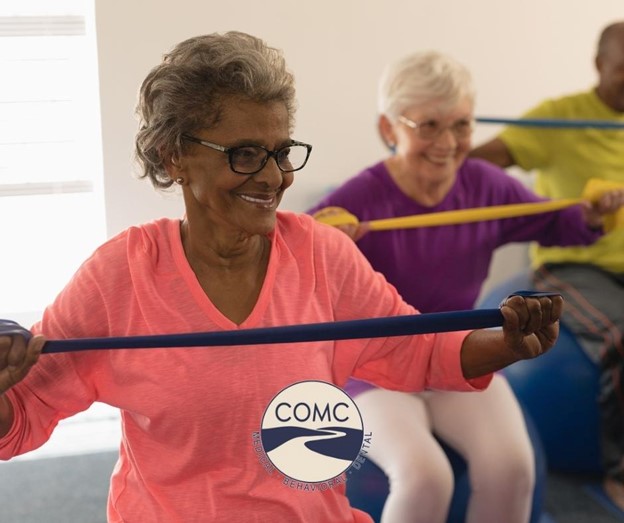
Practice getting better at each of these activities to create a more independent and healthy living situation. If you have trouble breathing or severe pain performing any of the above activities, give us a call. Central Ozarks Medical Center wishes you a Happy Healthy Aging Month!
Follow along with our blogs to get more health and lifestyle pointers to keep you out of our office more than once a year!
Central Ozarks Medical Center
Keeping Lack of Insurance From Being a Roadblock to Quality Healthcare
Like us on FacebookFollow us on TwitterConnect with us on LinkedIn
Why Sugar is Bad for Your Teeth
We have been told since we were little to avoid sugar. Not only is it bad for our physical and cognitive health, but also, it’s not great for our teeth either. The various affects it has on our health is almost too many to count, so it’s easier to narrow it down. It goes without saying how important our dental health is.
With that in mind, Central Ozarks Medical Center wants to warn you of the dangers that sugar can cause to your teeth. If you suspect that you might have a cavity, consult your local dental center near mid-Missouri.
Tooth Decay
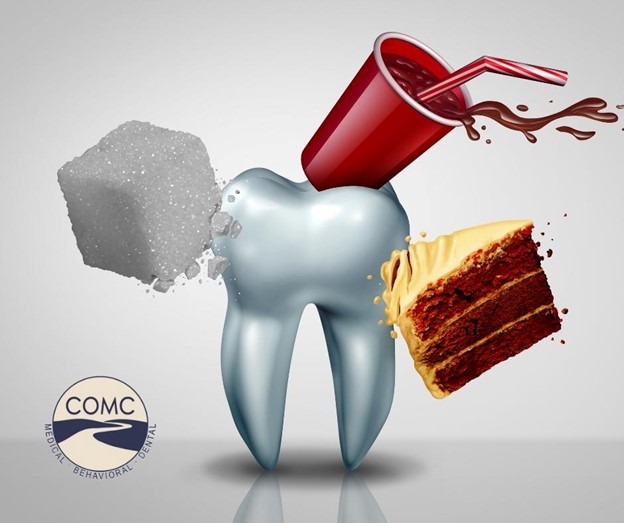
One of the largest connections to tooth decay is sugar. Sad, but true. Especially the processed sugars that we see in candy and soda are a large issue.
What happens is after we eat foods or drinks with sugar, the glucose molecules get attached to our saliva and bacteria in our mouths. This mixture causes plaque build-up on our teeth. When plaque sits on our teeth for too long, it dissolves our enamel and ultimately, creates cavities.
That’s why it’s super important to brush 2-3 times a day! This is what helps control and minimize plaque.
Sugar is a Magnet for Bad Bacteria
Not only does sugar help create plaque, but also, it ATTRACTS the bacteria known to cause gingivitis and gum disease. Ultimately these two diseases eat away at the protective tissues that prevent your teeth from moving AND cause your gums to recede.
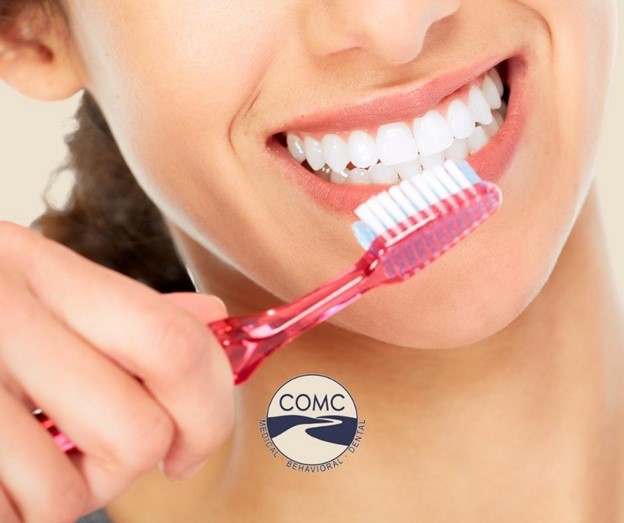
At Central Ozarks Medical Center, we want you and your teeth to remain healthy to avoid treating you or your family members for a more serious issue down the road. If you have concerns regarding your teeth, do not hesitate to reach out to us.
Follow along with our blogs to get more health and lifestyle pointers to keep you out of our office more than once a year!
Central Ozarks Medical Center
Keeping Lack of Insurance From Being a Roadblock to Quality Healthcare
Like us on FacebookFollow us on TwitterConnect with us on LinkedIn
Recent Comments